
Sustainability
Our mission is to create healthy environments through energy-efficient systems, sustainable materials, and designs that maximize natural light and improve air quality.
At Boomerang Design, we approach sustainable design through close collaboration with staff, stakeholders, the consulting team, and the general contractor. Together, we establish specific sustainability goals for the facility and identify effective solutions that meet these goals while staying within budget constraints. Our aim is to incorporate sustainable best practices and assist clients in seeking Leadership in Energy and Environmental Design (LEED®) or Green Globes certification.
Keys to Sustainable Project Success
Our approach to sustainable project design embraces collaboration, prioritizes cost-effective solutions, and is committed to preserving the natural environment.
Our sustainable design process begins with an eco-charette. This meeting allows the design team to engage directly with stakeholders in a collaborative effort to define and prioritize goals.
Throughout the design and construction process, our team balances initial construction costs with the project’s total lifecycle costs, ensuring our sustainability efforts yield long-term savings. We focus on evaluating the cost-benefit ratio for potential green initiatives, considering factors such as energy efficiency, water reduction, and resource conservation to maximize long-term savings and environmental impact.
We are committed to preserving the natural environment and achieving sustainability objectives through our stewardship initiative. This integrated approach ensures that sustainability and regenerative design are essential elements of our design process, ultimately creating thriving ecosystems for future generations.
Paving Pathways to Sustainable Certification
Sustainable certifications, such as LEED and Green Globes, signify a client’s commitment to sustainability, energy efficiency, and occupant well-being and provide a framework for architects to design environmentally conscious buildings.
LEED, created by the U.S. Green Building Council, and Green Globes, administered by the Green Building Initiative, are leading green building rating systems. Both use points to measure sustainability and award four certification levels: LEED offers Certified, Silver, Gold, and Platinum, while Green Globes awards one to four globes.
Boomerang Design has experience helping clients across market sectors achieve LEED or Green Globes certifications by developing sustainable design solutions that align with certification frameworks and fit within the client’s proposed budget and overall project goals.
The following are a few of our LEED and Green Globes buildings:
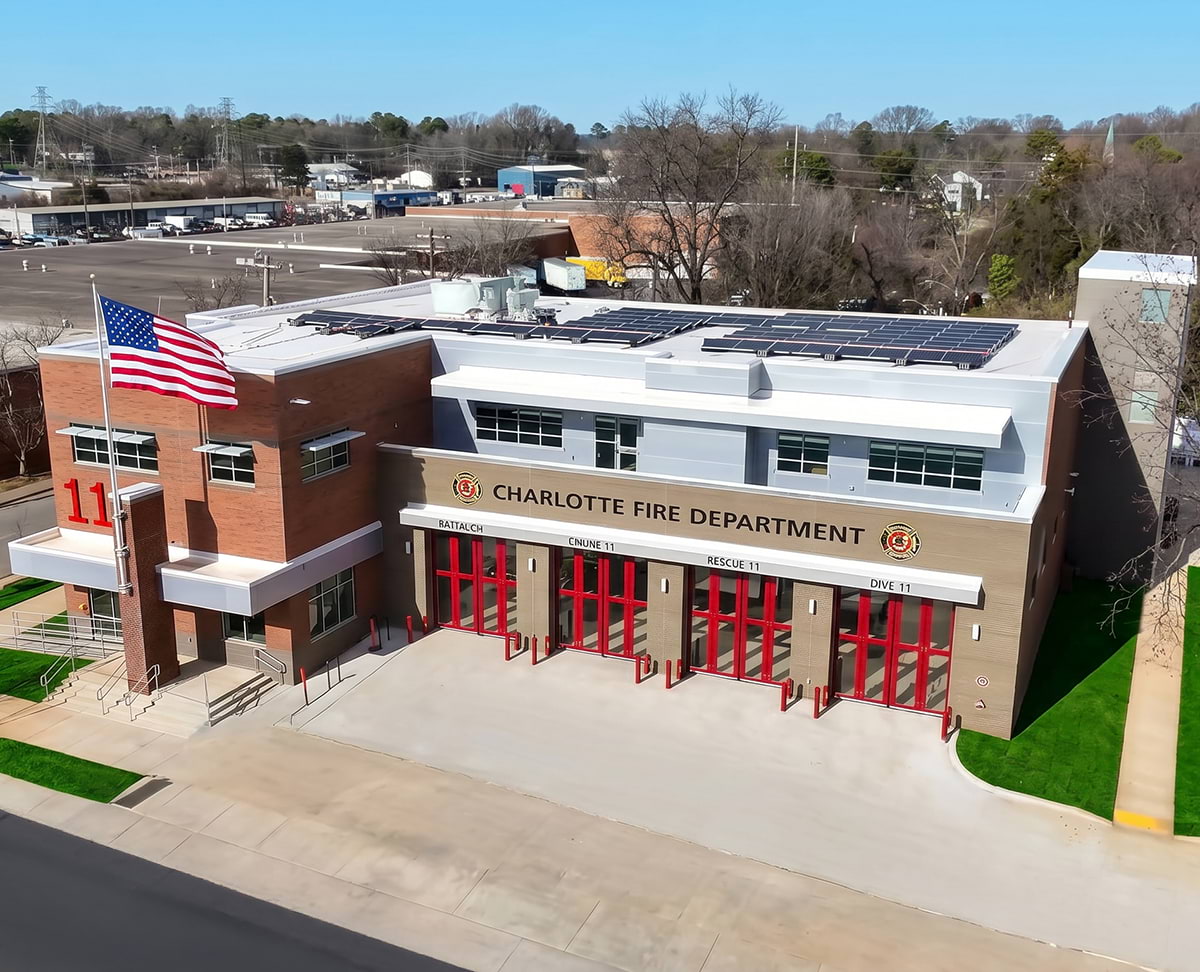
Boomerang Design worked closely with key stakeholders from Charlotte Fire Department, City Engineering and Property Management, Building Services, Energy and Sustainability, and IT Support to design the new, 17,700 SF Fire Station #11. The design incorporates advanced energy-efficient systems and sustainable materials, reflecting the City’s commitment to environmental stewardship. This project is currently undergoing the LEED certification process.
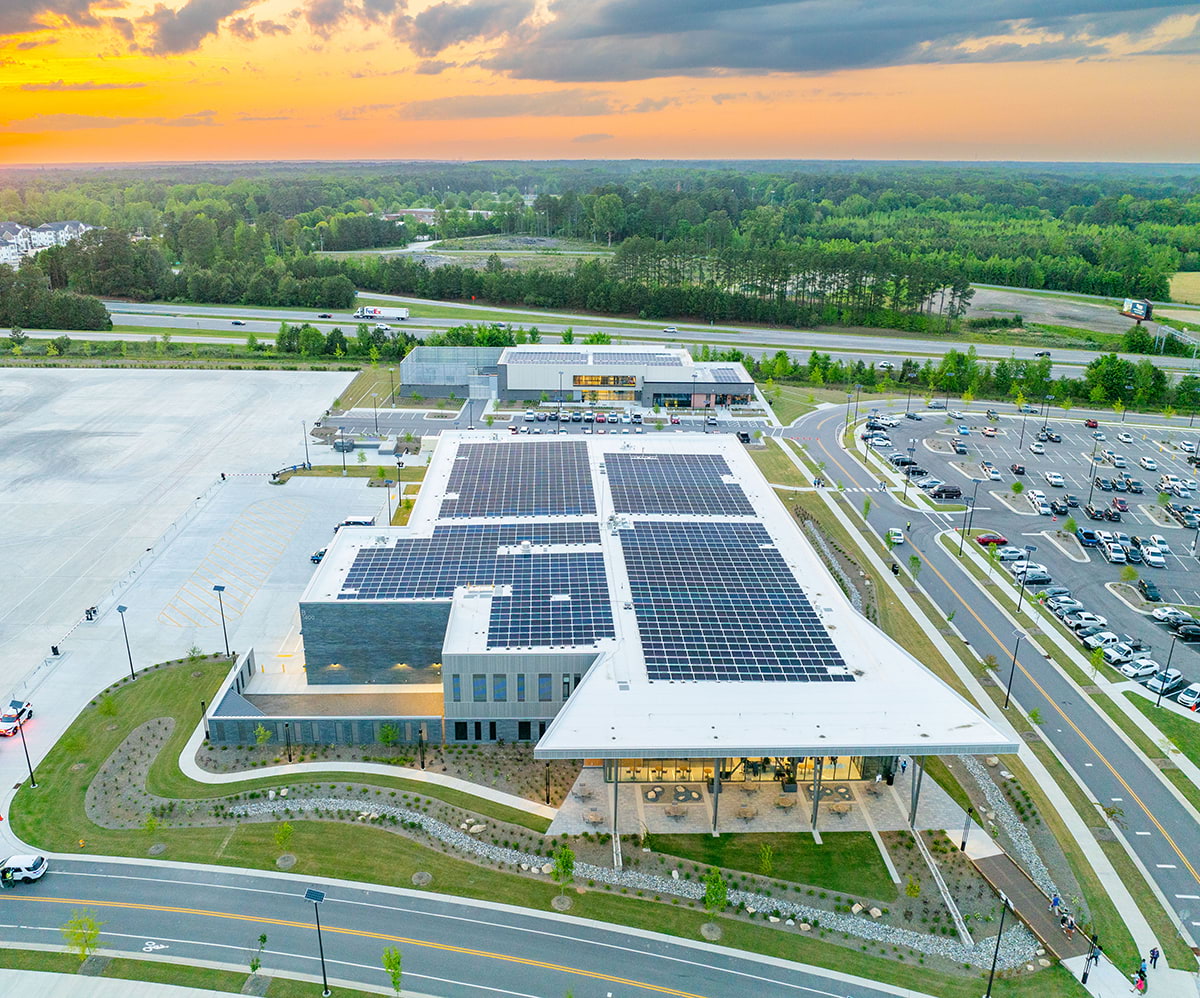
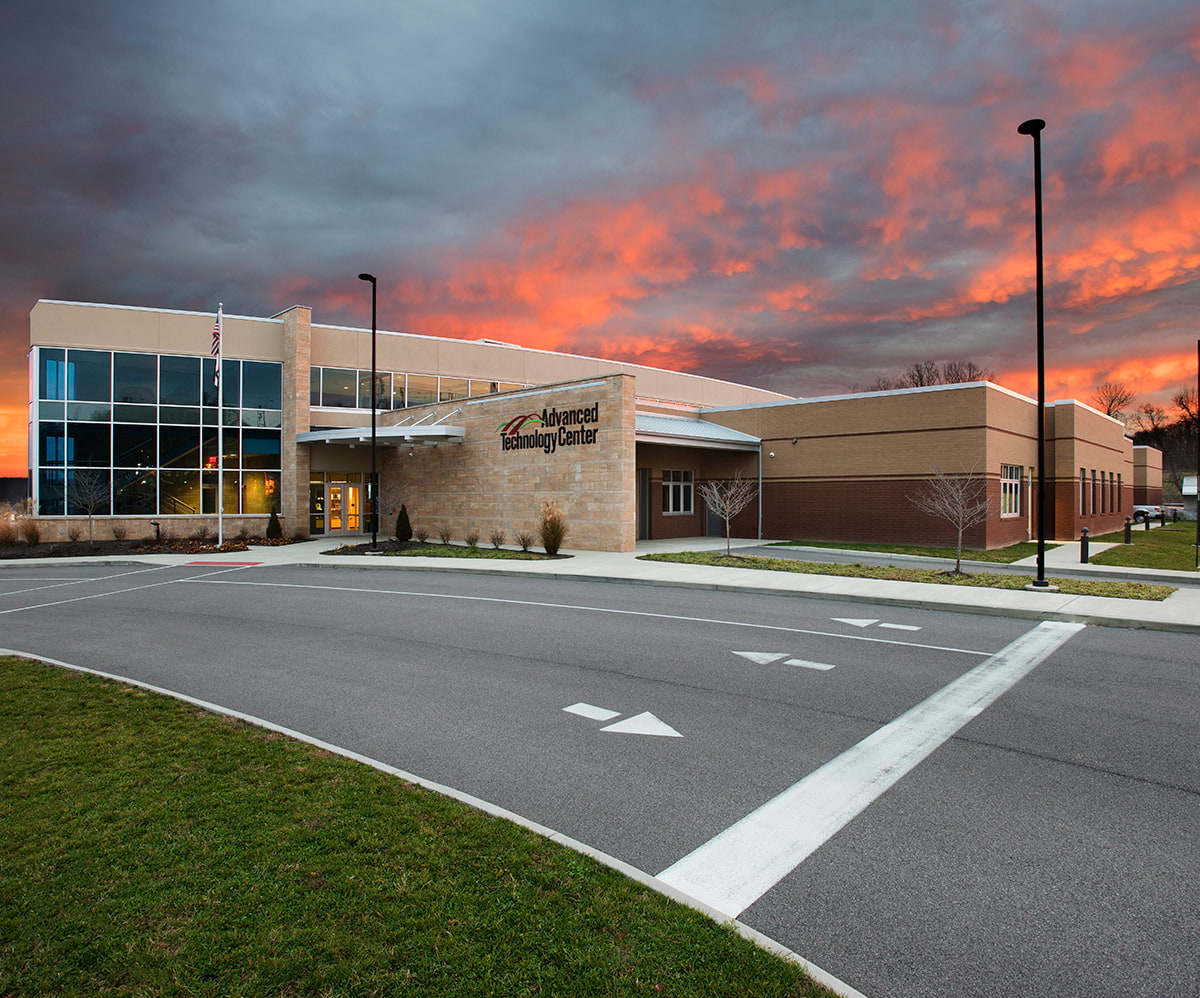
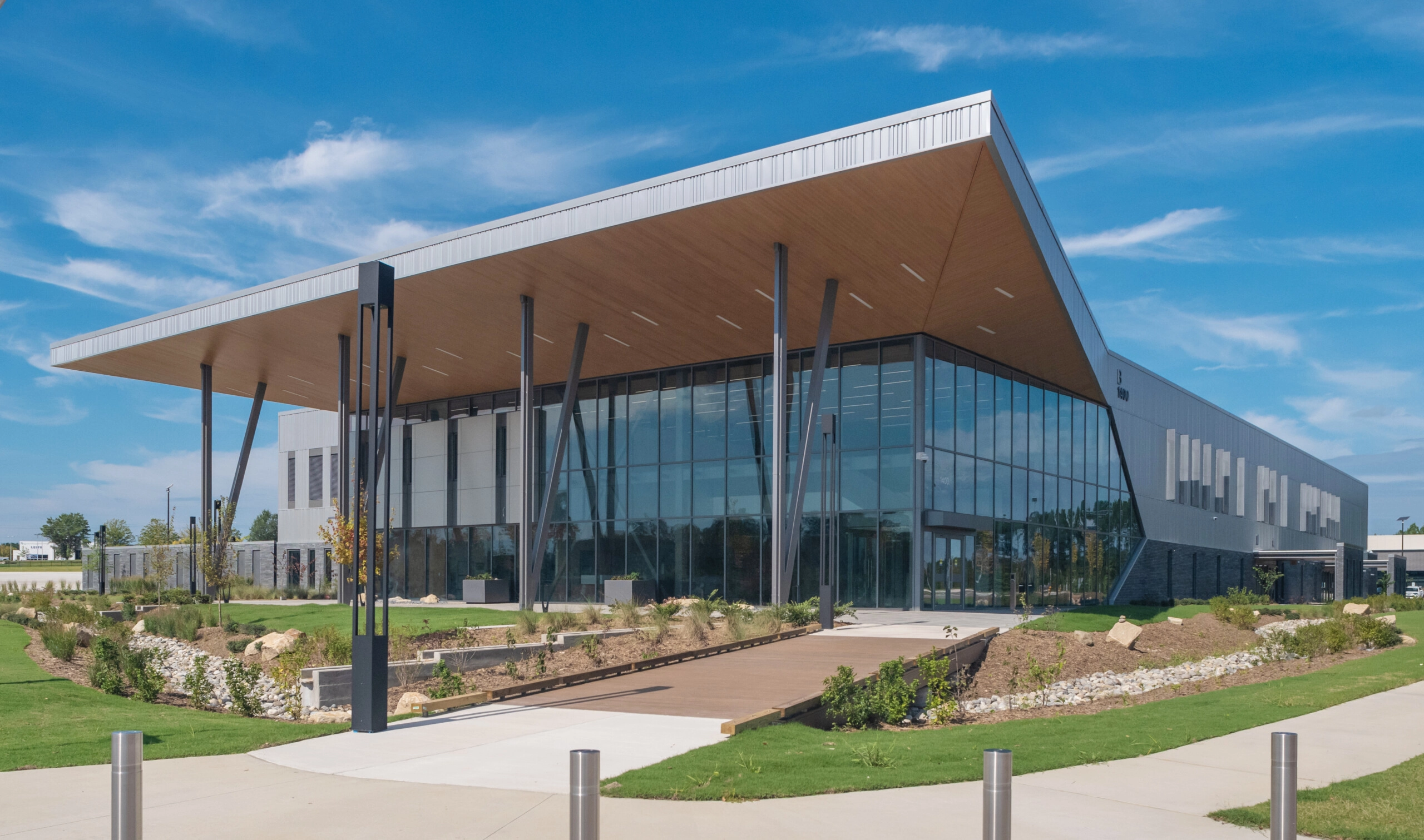
Boomerang Design partnered with LEO A DALY to design a new 76,491 SF public safety simulation center for police, fire, and EMS training. The Three Green Globes-certified building boasts one of the county’s largest rooftop photovoltaic solar arrays and was designed to showcase the school’s commitment to sustainability and environmentalism.
See project spotlight at the bottom of this page for more information.
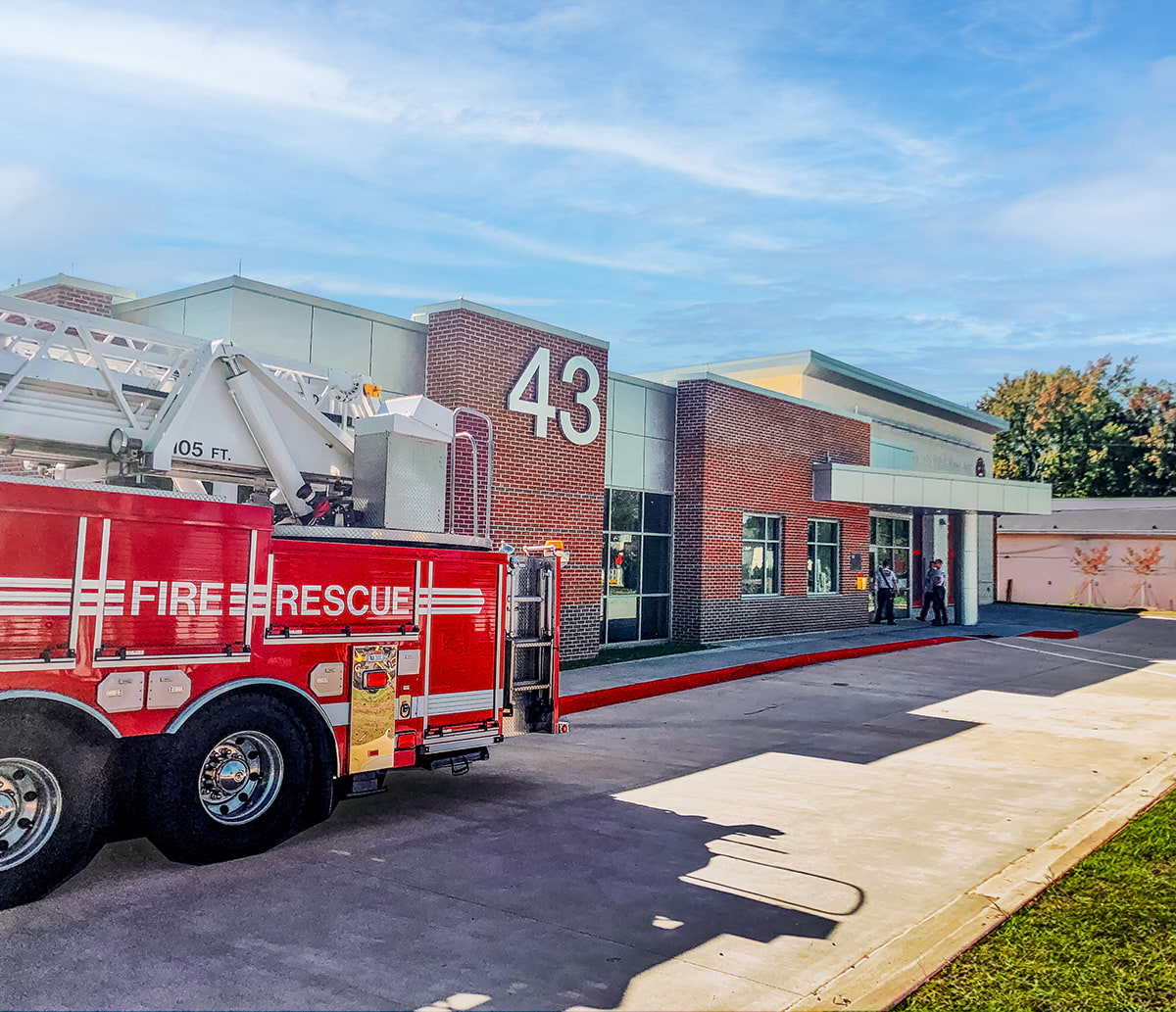
This new, 10,500 SF facility was designed to achieve the goals outlined in the City of Charlotte’s Strategic Energy Action Plan to fully power its fleet and facilities with 100% zero carbon sources by 2030. Fire Station #43 incorporates a geothermal well field and a rooftop photovoltaic solar array to achieve net-zero energy use, earning the building both a USGBC LEED v4 and ENERGY STAR certifications.
AL Brown High School in Kannapolis, North Carolina underwent significant renovations and gained an addition to the original building. The District’s goal for this addition and renovation project was to achieve LEED Silver certification. To accomplish this, our team led commissioning for HVAC systems, lighting systems, and domestic water heating systems that are sustainable, energy efficient, and earned the points necessary for LEED Silver certification.
The new two-story library has been designed with flexibility in mind. It includes an open computer lab, an isolated classroom, multiple group study rooms, a business center, a history room, and a children’s library. The main library area features low stacks surrounded by various seating arrangements, providing both intimate breakout spaces and open study tables.
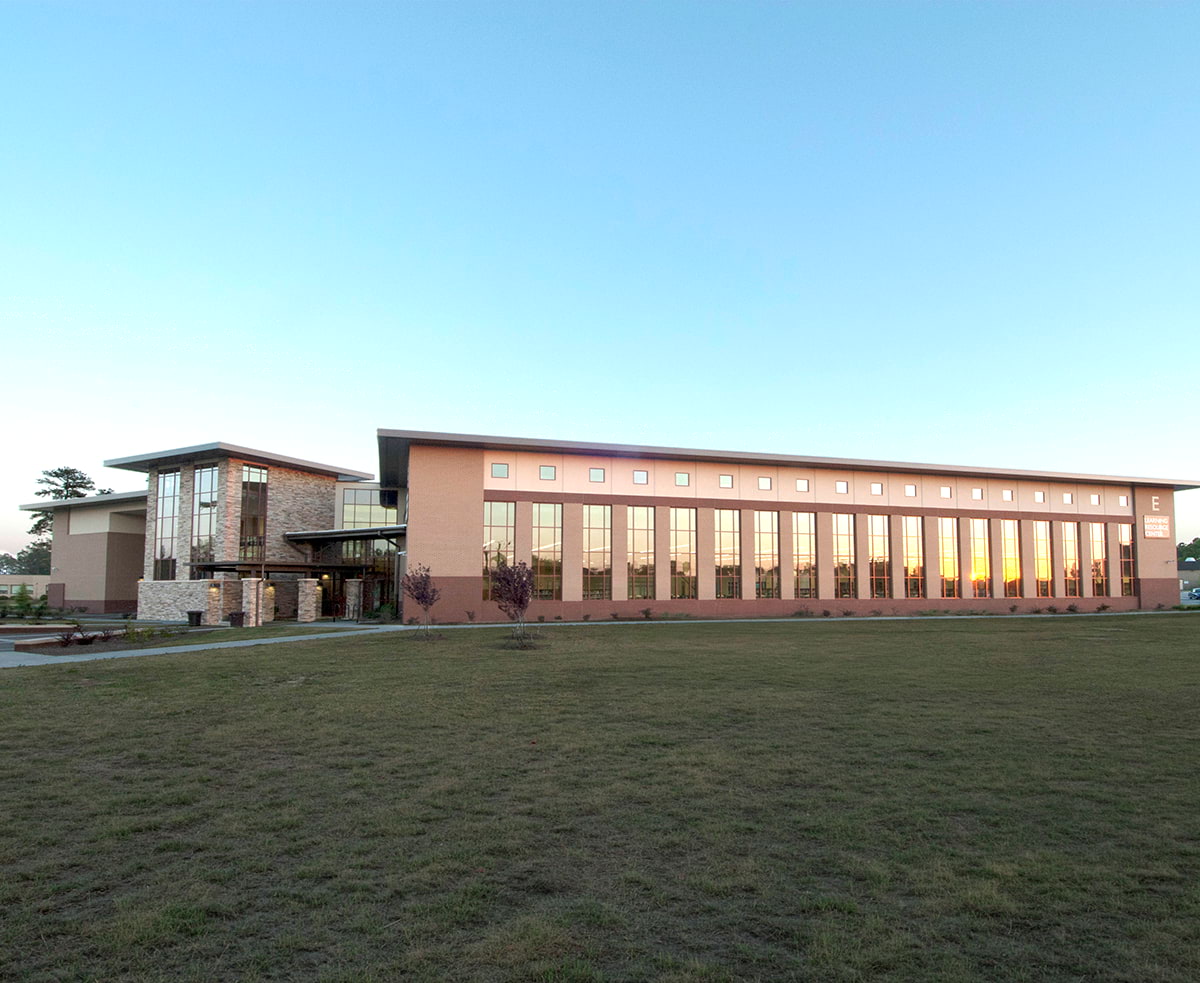
Designed for LEED certification, the Advantage Valley Advanced Technology Center (now the New River C&TC Advanced Technology Center) provides students with hands-on education in advanced manufacturing, chemical process, advanced welding, computer networking, and emergency technology. Designed utilizing the LEED framework, this facility showcases the college’s commitment to sustainability and innovation through its design; ultimately, the client chose not to undergo official LEED certification.
PROJECT SPOTLIGHT
Wake Technical Community College Public Safety Simulation Center
A facility that reflects the campus’s focus on sustainability.
Sustainability is a core tenet at Wake Tech, which views its buildings as living laboratories in environmental stewardship. The design of the training center reinforces and enhances the school’s commitment to the environment.
A Three Green Globes-certified building, the training center boasts one of County’s largest rooftop photovoltaic solar arrays. By prioritizing sustainability, resiliency, and occupant well-being, the facility incorporates energy-efficient and intelligent building systems, passive solar shading, daylighting techniques, and sustainable building materials.
Additional sustainability features include using hot water from the central energy plant instead of natural gas. The plumbing fixtures and appliances are ENERGY STAR certified whenever possible. Moreover, advanced lighting controls with dimming capabilities optimize energy consumption throughout the facility.
Sustainable Features
To view some of the sustainable features, hover over the image.


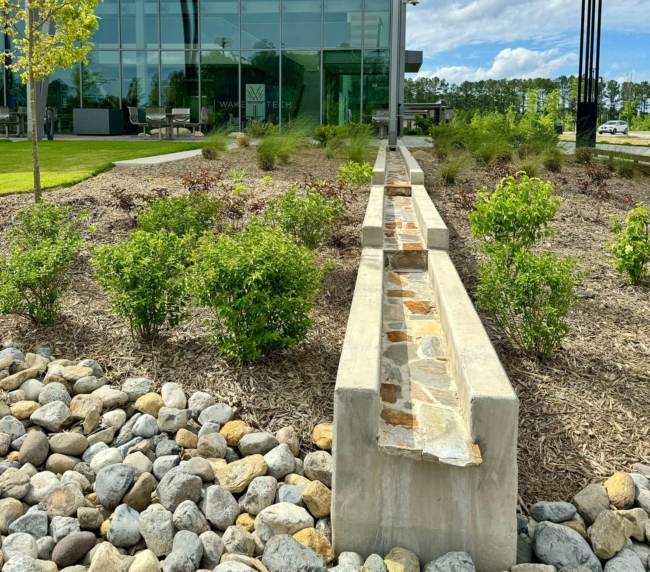
Water Flow Design

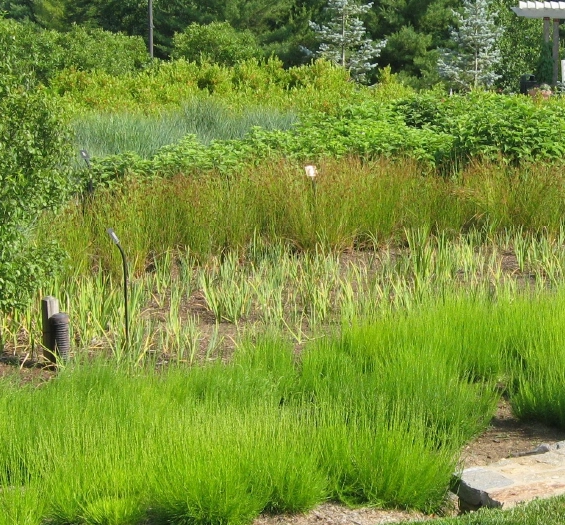
Native & Drought Tolerant Vegetation
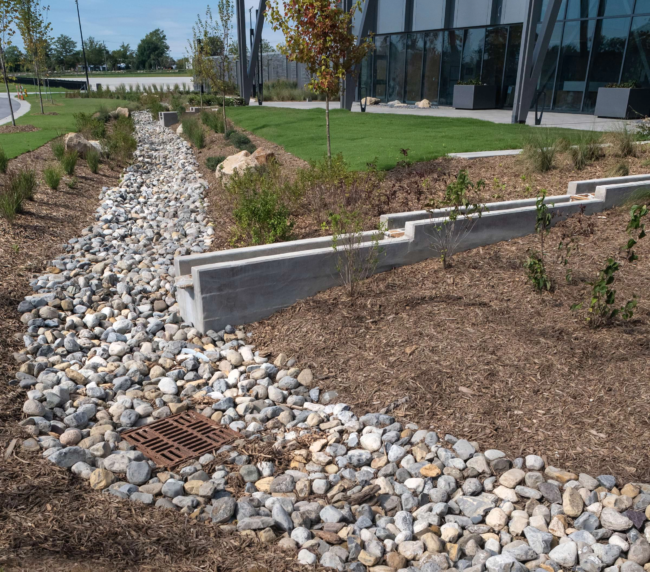
Reestablishing Natural Landscape & Bioswales
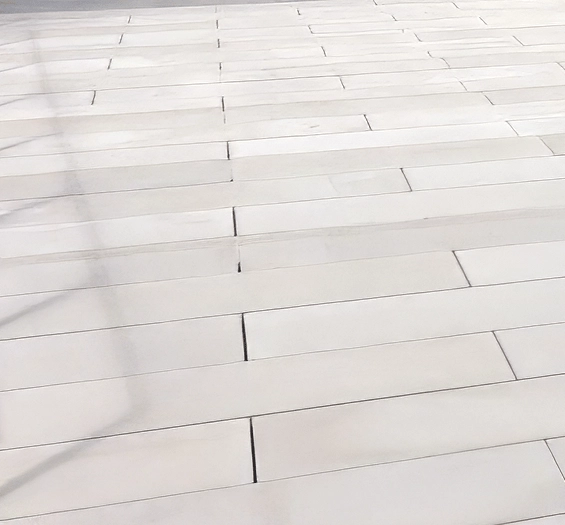
High SRI Hard-scape & Roadway Paving

Heating & Cooling Water from Central Energy Plant (Geothermal)
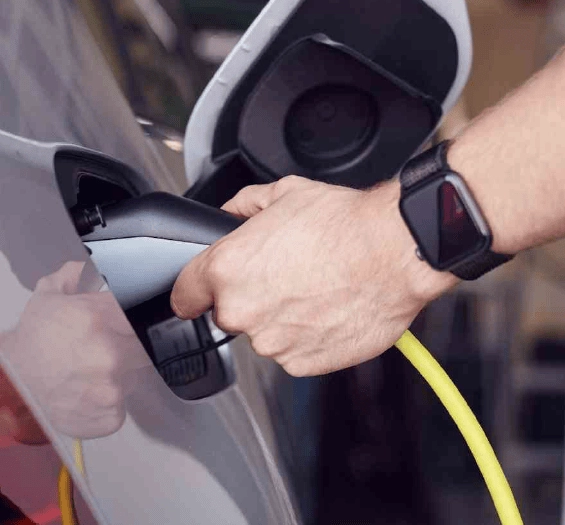
Building Provides Power to Electric Vehicle Charging Stations
Low VOC & Environmentally Mindful Material Selections
Energy-Efficient Appliances & Equipment
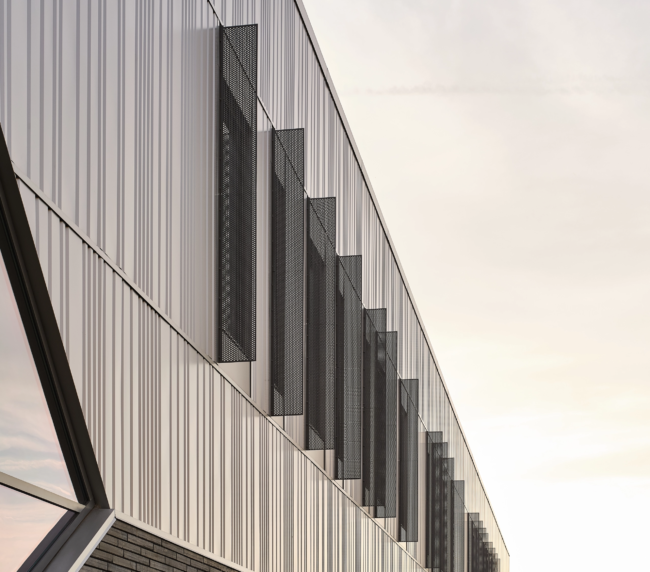
Vertical Solar Shading; East Elevation
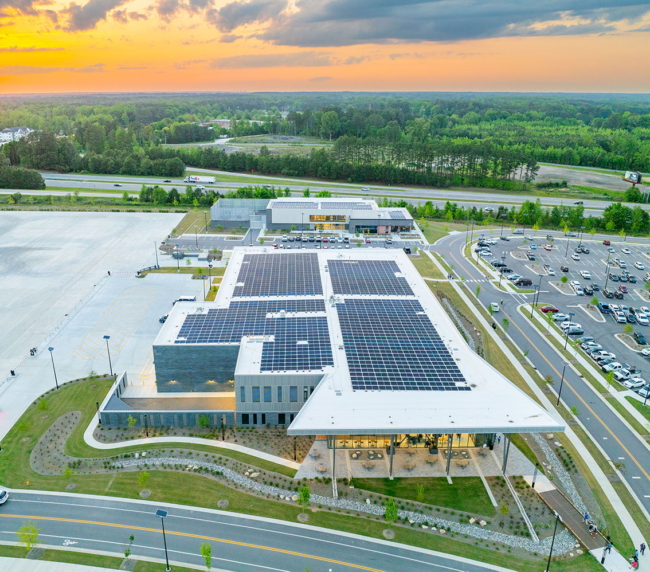
Rooftop Solar PV System
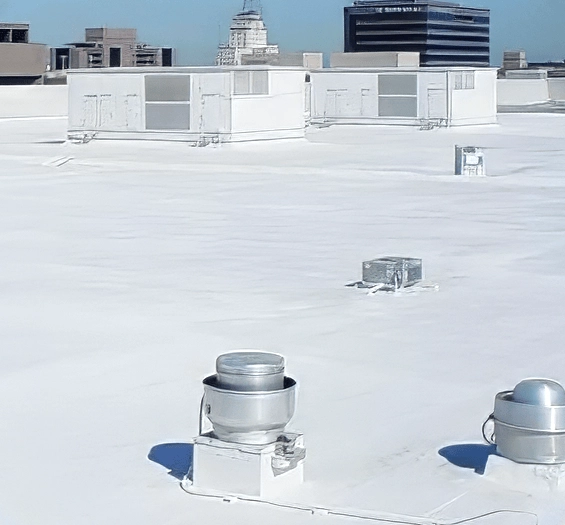
High SRI Membrane Roofing System
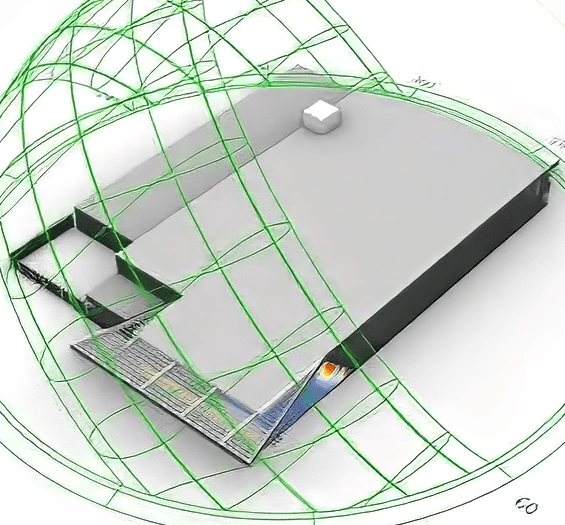
Canopy Design Shaped by Solar Analysis
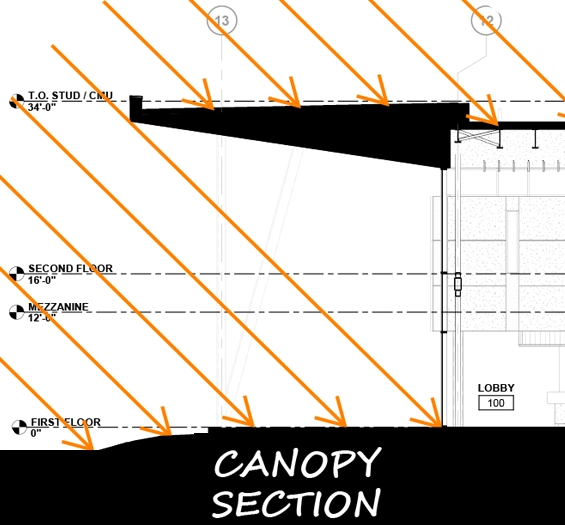
Deep Shade Overhang; South Elevation
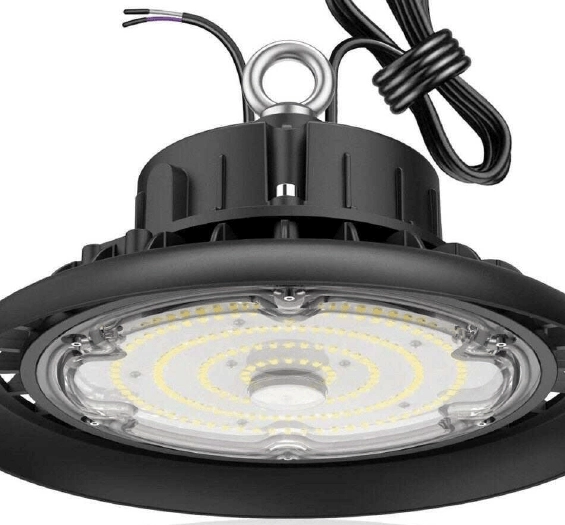
Efficient LED Lighting Fixtures Throughout